Compressed earth blocks (CEB)
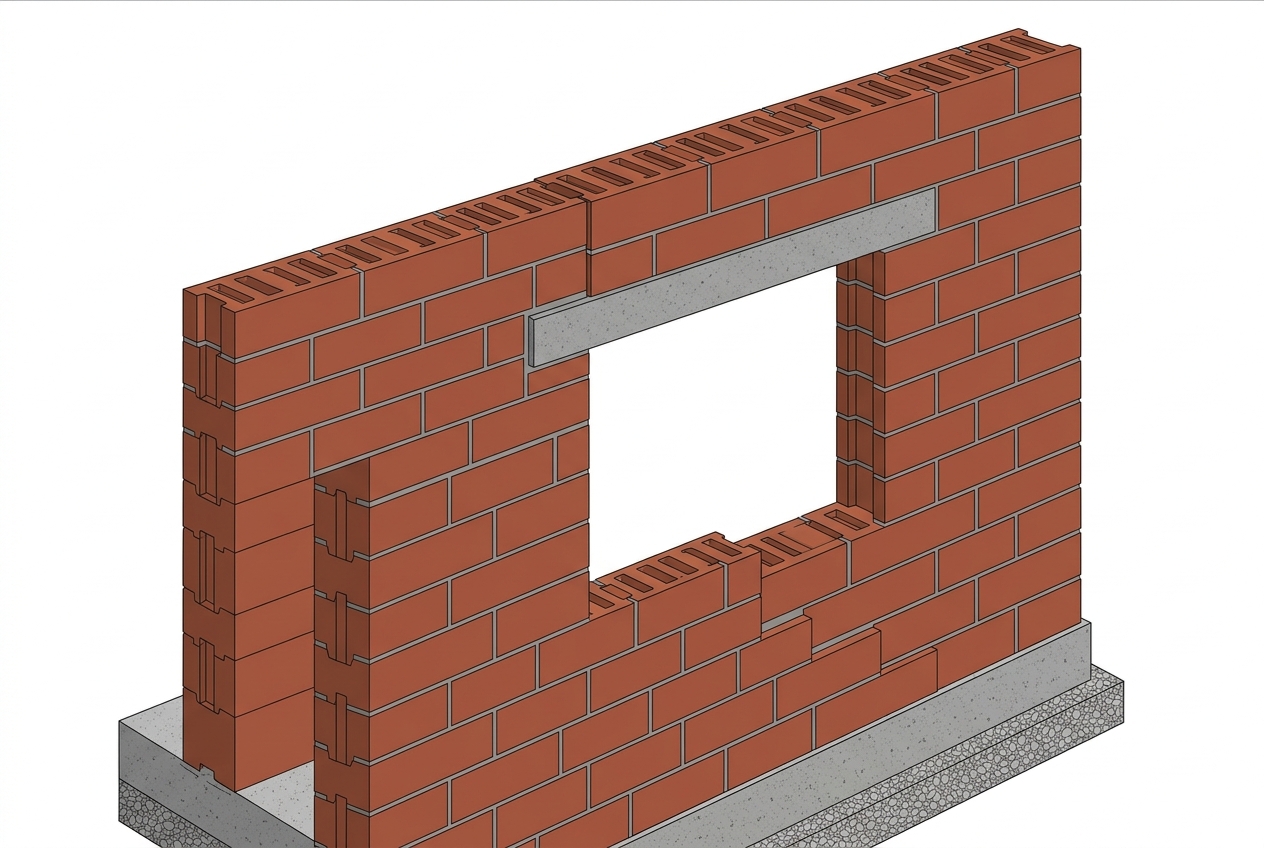
In short : Stabilized compressed earth blocks (CEB) are a local, thermal and economical alternative to concrete blocks: made from site soil stabilized with cement or lime, they give excellent thermal comfort in hot climates.
- •Typical blocks: 29.5 × 14 × 9 cm (or 30 × 15 × 10 cm), about 35-40 per m² for a 14 cm wall
- •Stabilization: 5-8% cement (or lime), sandy-clay soil
- •Compressive strength: 2-5 MPa at 28 days (cure under damp cover)
- •Stone or concrete foundation and plinth, at least 40 cm above ground
- •Wide roof overhangs (80 cm) to protect walls from rain
- ✗Soil too clayey or too sandy: crumbly or cracked blocks
- ✗Walls exposed to rain without plinth or roof overhang
- ✗Drying in direct sun: shrinkage cracks
- ✗No reinforced-concrete lintels or ring beam at openings
Local prices by country
Frequently asked questions
Is a CEB house strong?
Yes, if the soil is tested, properly stabilized and protected from water (plinth, render, roof overhang). CEB is used for multi-storey buildings with ring beams.
Are CEB cheaper than concrete blocks?
Often yes when soil is on site and the press is shared; savings depend on cement and local labour costs.
What is the role of: compressed earth blocks (ceb)?
Stabilized compressed earth blocks (CEB) are a local, thermal and economical alternative to concrete blocks: made from site soil stabilized with cement or lime, they give excellent thermal comfort in hot climates.
What are typical dimensions and rules for compressed earth blocks (ceb)?
Typical blocks: 29.5 × 14 × 9 cm (or 30 × 15 × 10 cm), about 35-40 per m² for a 14 cm wall. Stabilization: 5-8% cement (or lime), sandy-clay soil. Compressive strength: 2-5 MPa at 28 days (cure under damp cover). Stone or concrete foundation and plinth, at least 40 cm above ground. Wide roof overhangs (80 cm) to protect walls from rain.
What mistakes should I avoid with compressed earth blocks (ceb)?
Soil too clayey or too sandy: crumbly or cracked blocks. Walls exposed to rain without plinth or roof overhang. Drying in direct sun: shrinkage cracks. No reinforced-concrete lintels or ring beam at openings.
Unsure about your site? DiasporaBuild's verified engineers and contractors review your drawings and execution.